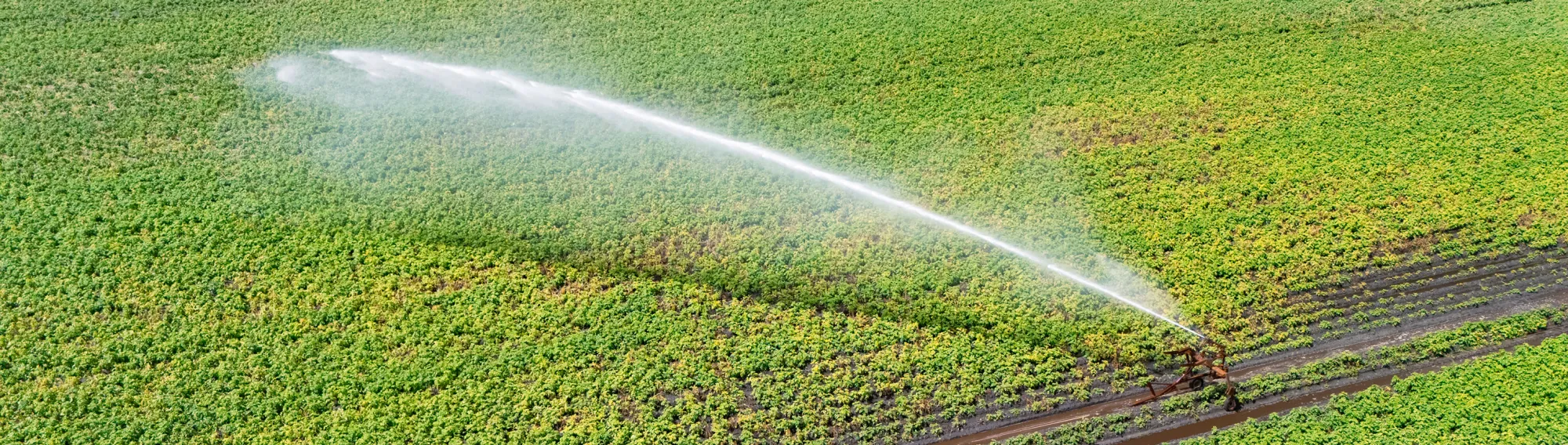
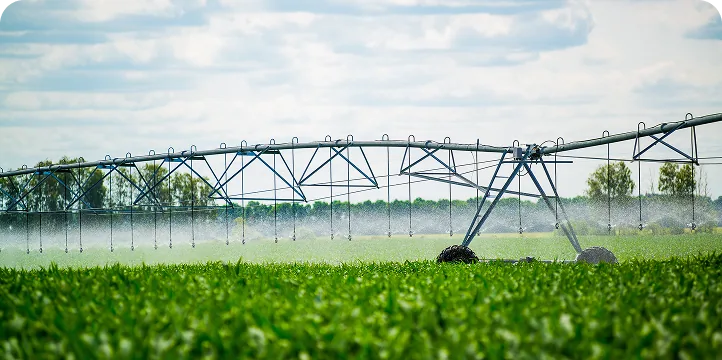
The upkeep of lawns, green areas and trees requires significant time and effort. Especially in hot and arid climates like Baku, manual irrigation can be both challenging and resource-intensive. An automatic irrigation system takes this burden off your shoulders, making it easier to maintain healthy greenery in any area.
In this article, we explain how automatic irrigation systems work, their main advantages, what to consider when choosing and installing one, as well as the most common mistakes. At the end, we answer some of the most frequently asked questions from our clients.
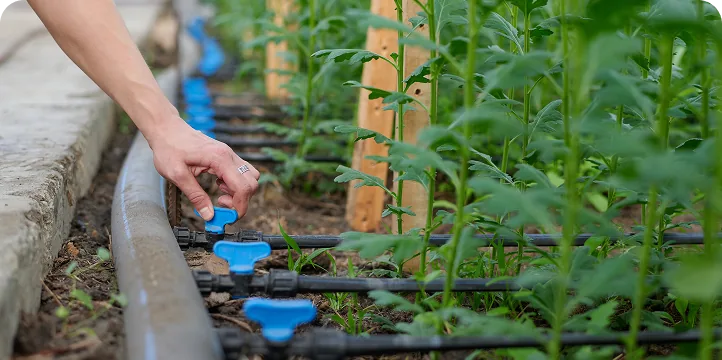
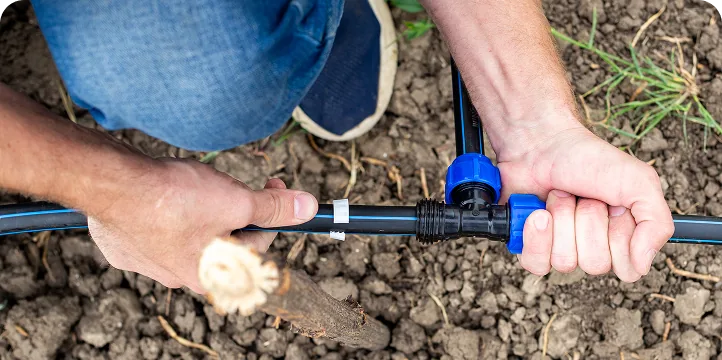
An automatic irrigation system is a complex technical solution comprising several key components. These include pipes, nozzles and drip lines, solenoid valves, and the main control device (controller). The primary function of the system is to deliver water to the area at the right time and in the required amount.
The main components are:
The entire process is automated: there is no need to drag hoses across the area daily or worry about forgetting to water. The system saves both water and your valuable time.
The main reasons our clients switch to automatic irrigation are to save time and water. For example, manually watering a 600m² area in summer can take around 40–60 minutes per day. An automatic system operates on schedule, watering your plants even when you are at work or travelling.
An automatic irrigation system relieves you of daily concerns: set the parameters once and enjoy a lush, well-maintained green space.
Water savings are also significant — 30–50% less water is used compared to manual watering. Thanks to precise dosing and the use of rain sensors, the soil receives neither too much nor too little water. This is especially important for Baku, where water is a precious resource.
The main advantages of automation include:
Automatic irrigation systems are used in a variety of settings:
In commercial properties, manually watering large green areas is impractical, so automation saves both labour and water. In private gardens, the system ensures plants are cared for even during holidays or business trips. In greenhouses and vegetable plots, especially in summer, proper system operation directly impacts productivity.
Installing the system at the design stage of new developments saves on both equipment and labour costs. At Sulama, we always recommend planning the irrigation system at the initial stage of any project.
Although installing an automatic irrigation system may seem straightforward, a number of problems can arise if calculations are incorrect or installation is not carried out professionally. The most common mistakes include:
Often, property owners try to save on design and professional installation, which can result in additional costs and wasted time later. As Sulama specialists, we always select equipment suitable for your site and teach users how to manage the system correctly.
To ensure long-lasting and trouble-free operation, it is enough to follow a few simple rules:
It is important to adjust the irrigation schedule throughout the year: less water is needed in spring and autumn, and more in summer. If your system is controlled via a mobile app, these changes can be made with just a few clicks.
Automation is particularly important in the following cases:
If you are unsure whether automatic irrigation is suitable for your site, you can consult Sulama specialists. We will assess your site’s characteristics and provide a tailored solution.
Yes, installation is possible in existing lawns and flower beds. The key is to carry out accurate calculations and ensure the work is done without damaging the plants.
On average, such systems save 30–50% more water compared to manual irrigation. This is achieved through precise dosing and by taking weather conditions into account.
Yes, regular inspection and maintenance are necessary: checking nozzles, sensors and filters, and draining the system in autumn. This ensures long-term, reliable operation.
In such cases, it is recommended to add a pump station or a water tank. This helps the system operate reliably and ensures uninterrupted irrigation.
Yes, thanks to modern controllers, irrigation can be managed from anywhere via a mobile app or the internet. This is particularly convenient for those who are often away from home.