An automatic irrigation system is not only a matter of convenience, but also one of the most effective ways to keep your lawn, flower beds, and garden healthy. But how much does such a system cost, and why can the price vary? At Sulama MMC, we explain, with practical examples, how the cost of an automatic irrigation system is formed, what you should pay attention to, and which budgeting mistakes to avoid.
In reality, the cost of an irrigation system is calculated individually for each site. The main factors here are the size of the area, types of plants, landscape complexity, the quality of the chosen equipment, and the specifics of the installation works. Let’s examine these factors one by one.
The primary factor affecting the price is the size of the area. As the area increases, so does the number of pipes, sprinklers, drip lines, and connectors required. However, it’s not just about square metres — the shape, terrain, slopes, flower beds, pathways, and buildings also influence the cost.
Based on our experience, systems for areas up to 400–500 m² tend to be relatively simple and compact. For larger areas, both the equipment and the costs for design and installation increase, and the system layout becomes more complex.
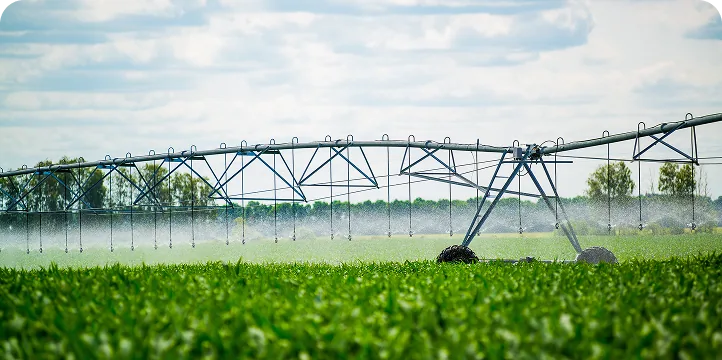
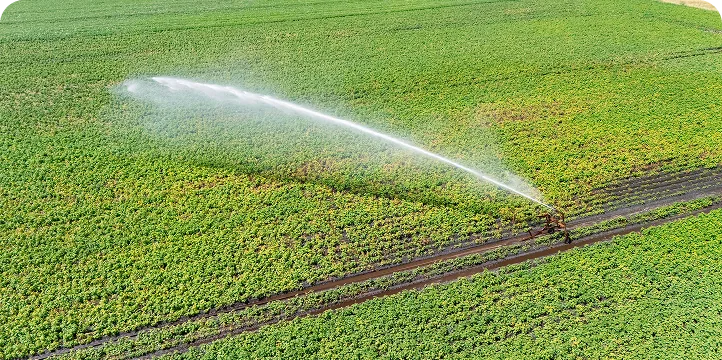
The main types of automatic irrigation systems are:
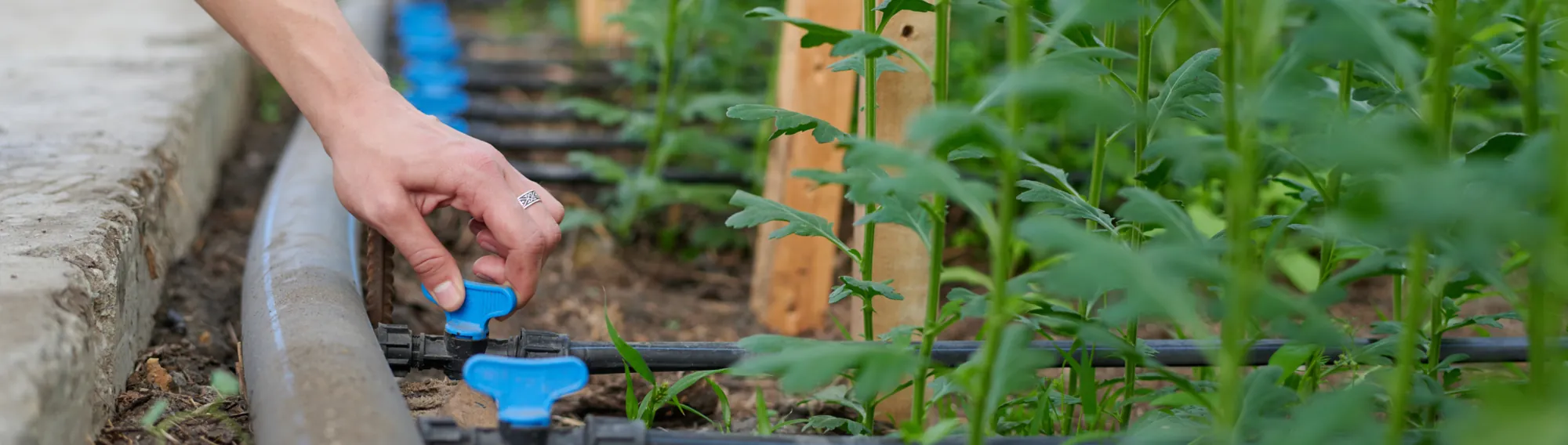
The price depends on which zones and types of irrigation are required. For example, if you only have a lawn, a few sprinklers may suffice. However, if you also have vegetables or fruit trees, additional drip lines will be needed. Combined systems are more complex to design and install, which increases the cost.
Automation also affects the price. Manually operated systems are cheaper but require constant supervision. Equipment such as controllers, timers, and rain sensors increase the initial cost, but save water and time in the long run.
There is a wide range of irrigation equipment on the market, varying in quality and price. Cheaper options may fail quickly or cause water leaks. Well-known brands (such as Hunter, Rain Bird, Gardena) can last 7–10 years or more with proper use.
At Sulama MMC, we recommend choosing reputable brands, especially for large and complex sites. Although the initial cost is higher, overall maintenance and repair costs are lower, and the system operates reliably for many years.
The final cost of an automatic irrigation system depends on several factors: area, system type, equipment, and installation complexity. Individual calculations for each site are essential to achieve accurate results and avoid unnecessary expenses.
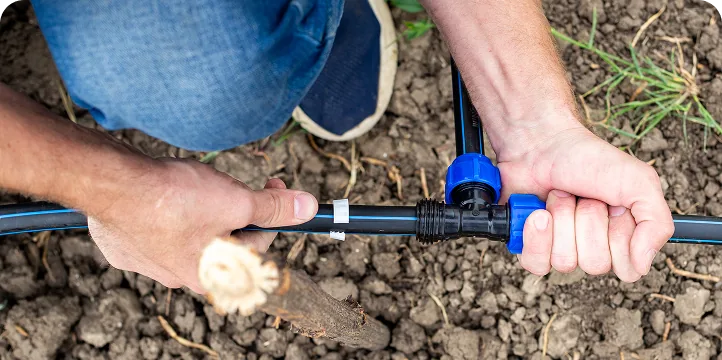
Some people attempt installation themselves or use inexperienced workers, but this often results in uneven watering, leaks, or equipment failure.
At Sulama MMC, we always recommend entrusting design and installation to professionals. This is crucial for the longevity of the system and to prevent additional problems. The cost of the work depends on the size of the area, landscape complexity, and the client’s requirements.
Sometimes, extra features are included in the system:
In densely built-up areas, or those with numerous paths, pools, or complex terrain, both labour and material requirements increase, which also affects the overall price.
Individual calculation always starts with a site visit and collection of initial data: area size, zone layout, plant types, and water source characteristics. Based on this information, the optimal equipment is selected and the irrigation scheme is designed.
Selecting a design “by eye” or using a ready-made template can lead to excessive materials or inefficient irrigation. At Sulama MMC, we recommend contacting our specialists for a free and accurately calculated design.
It is possible for very simple areas, but without experience, it is easy to make mistakes in calculations and installation. Consulting professionals will save you from extra costs and headaches.
The cost of maintenance depends on the size of the area, number of zones, system complexity, and the equipment used. Regular maintenance ensures the system remains reliable and long-lasting.
Equipment selection depends on the water source, pressure, plant types, and landscape. A site visit and professional advice are essential for the best solution.
In most cases, installation takes 2–7 days. If the area is large or complex, the work may take a little longer.
Yes, a properly designed system allows for new zones or equipment to be added later. This possibility is considered during the design stage.