In recent years, drip irrigation systems have revolutionised agriculture and landscaping. Thanks to this approach, plants receive precisely the amount of water they need, minimising water loss and energy consumption, while significantly increasing yields. As Sulama MMC, we implement drip irrigation systems on fields of all sizes across Azerbaijan and would like to share our practical experience and insights on this topic.
In this article, we will explain in detail how drip irrigation works, its main advantages, the system’s key components, common mistakes, and proper operation guidelines. Our aim is to support you in selecting and installing an irrigation system with practical advice and real-life examples.
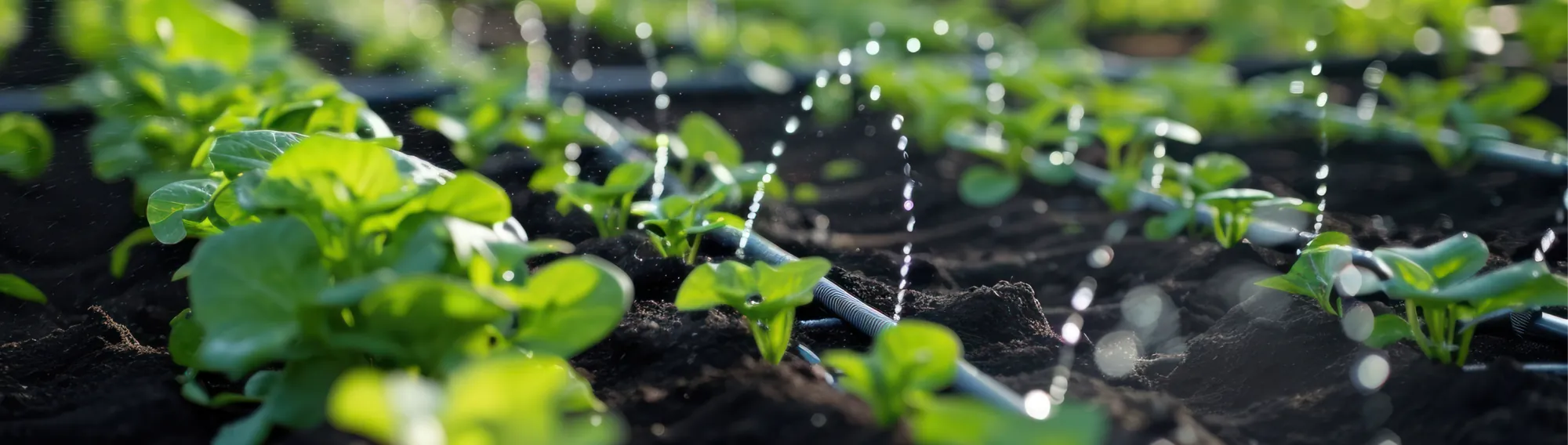
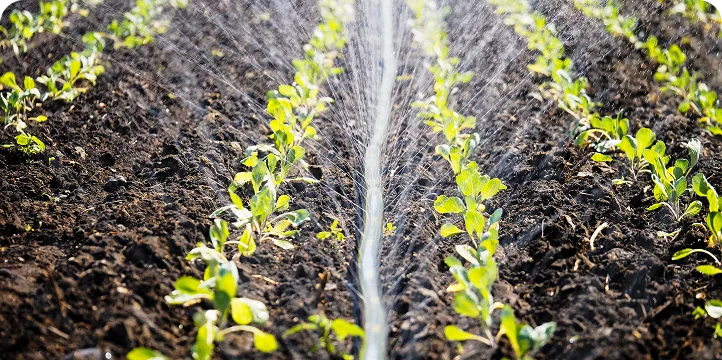
The drip irrigation system is based on delivering water drop by drop, slowly and precisely, directly to the root zone of each plant. This is achieved through special pipes and emitters. As a result, water is supplied straight into the soil at the plant’s roots, with virtually no loss through evaporation or runoff.
Typically, water is delivered from the source (well, mains supply, tank, or rainwater collector) to the main pipes, then passes through filters and pressure regulators before reaching the drip lines. Water is gradually released into the soil via the emitters. Standard emitters dispense approximately 2–8 litres of water per hour, ensuring optimal irrigation for various crops and plants.
Drip irrigation is the most efficient method for saving water and labour, while ensuring healthy and productive plants.
Compared to traditional irrigation methods, drip irrigation offers a number of significant benefits. This is why, in recent years, both farmers and private landowners have increasingly adopted this technology.
As a result, plants develop in optimal conditions, yields increase, and landowners use minimal resources.
For effective drip irrigation, correct system design and installation are essential. A typical drip irrigation system consists of the following components:
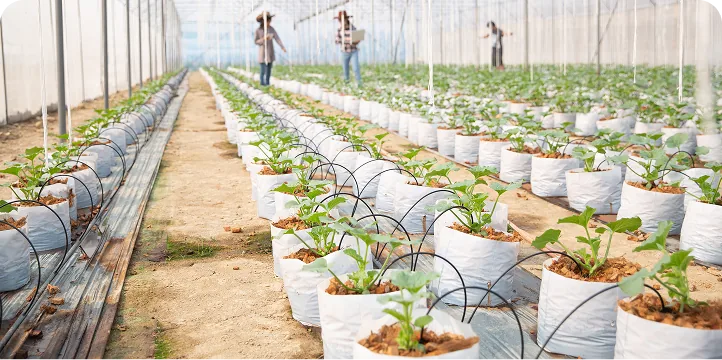
Drip irrigation can be used in open fields (vegetables, fruit, grapes, cotton, etc.), as well as in greenhouses, lawns, flower beds, and even large plant pots. When designing a system, it is important to consider soil characteristics, terrain, plant species, and water requirements. Sulama MMC specialists always recommend precise hydraulic calculations and professional installation — this guarantees long-term, trouble-free operation of the system.
Drip irrigation systems are versatile and highly adaptable. In Azerbaijan, we successfully apply this technology in various settings:
Practical example: By switching to drip irrigation on a 1,000 m² vegetable plot, it is possible to save up to 50 cubic metres of water per month. In a young vineyard, drip irrigation can increase yields by up to 30% from the second year onwards.
In landscape projects, drip lines are often concealed beneath soil or mulch. This keeps the system both invisible and protected from mechanical damage.
Even the simplest drip irrigation system may not work efficiently if not properly designed or installed. The most common mistakes are:
To avoid these issues, we always recommend entrusting design and installation to Sulama MMC professionals. A professional approach ensures all site-specific factors are considered and the optimal solution is found.
When properly used, a drip irrigation system can last 8–10 years or more. To maintain efficiency and longevity, follow these guidelines:
By following these recommendations, drip irrigation systems of any size will reliably save both water and labour, while supporting steady, healthy plant growth.
It is technically possible for small areas. However, for long-term, reliable operation, we always recommend professional design and installation. Experts will consider site-specific factors and select the right components.
Filters should be cleaned at least once a month. If using an open water source or well, clean them every 1–2 weeks. This prevents emitter blockages and extends the system’s lifespan.
Yes, modern drip lines can be discreetly installed beneath lawns. This method ensures even soil moisture and reduces disease risk.
Compared to traditional methods, water savings range from 30–60%. The exact figure depends on soil type, plants, and system settings.
In autumn, completely drain water from pipes and drip lines, dismantle necessary parts, and store them safely. This prevents damage from freezing and prolongs equipment life.