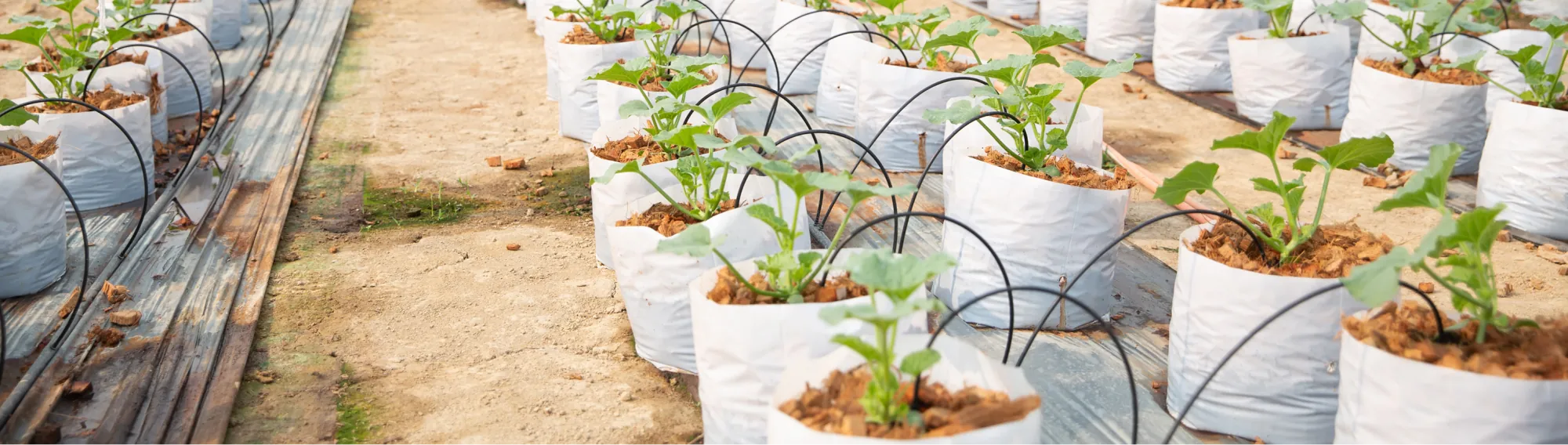
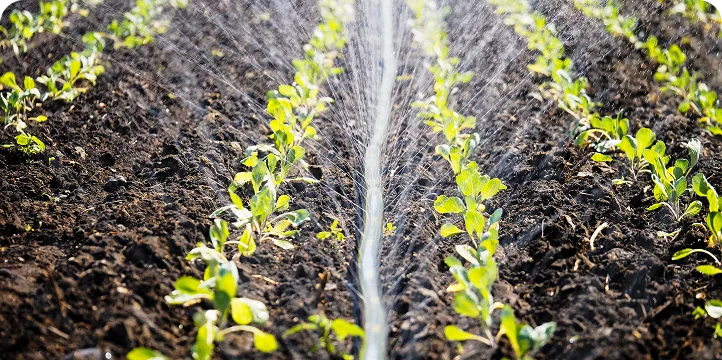
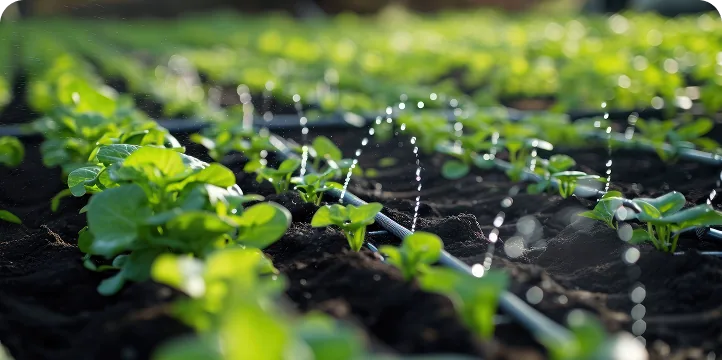
Drip irrigation in greenhouses is one of the most efficient and cost-effective watering methods in modern horticulture. This technology delivers water directly to the root zone of plants, enabling significant savings in both water and fertiliser. Drip irrigation is considered the ideal solution for growing healthy and productive plants in a greenhouse all year round.
In this article, we provide a detailed explanation of the structure of a drip irrigation system, the stages of correct planning and installation, equipment selection, common mistakes, and maintenance issues. As Sulama MMC, we will illustrate with practical examples why a professional approach is essential.
Plants grown in enclosed environments are more sensitive to irrigation, and even minor errors can affect yields. Drip irrigation creates stable and optimal conditions for greenhouses.
Our observations show that a properly installed drip irrigation system can increase greenhouse yields by 20–40% and reduce labour costs by up to half.
The key to an effective system is correct planning. The size of the greenhouse, the arrangement of rows and walkways, and the water requirements of the crops must all be taken into account.
As the Sulama team, we always recommend preparing a detailed project—this prevents uneven irrigation, malfunctions, and other problems.
A drip irrigation system mainly consists of a main pipe, drip tapes or tubes, filters, valves, controllers (timers), fittings, and drippers. The quality of each component affects the system’s longevity.
Equipment should be chosen to suit the specific conditions of the greenhouse (humidity, temperature variations, fertiliser exposure). Our experience shows that cutting costs on filters and tapes often leads to malfunctions and water wastage.
The installation process consists of several key stages, each requiring careful attention. Even a minor mistake can result in uneven irrigation or system failure.
Sulama specialists always carry out a test run and check every detail when handing over the facility—this guarantees long-term, trouble-free operation of the system.
A professionally designed and installed drip irrigation system means stable yields, resource savings, and proper plant care in your greenhouse.
Some farmers and gardeners try to save money on design and installation, but this often results in extra costs and reduced efficiency. The most typical mistakes include:
To prevent these problems, we recommend choosing professional design and installation. The Sulama team will develop the optimal layout for your greenhouse and select the right equipment.
Even the highest quality system requires regular maintenance. Key tasks include cleaning filters, flushing tapes, and checking the automation.
Timely maintenance is the key to long-lasting and reliable system performance. At Sulama, we provide greenhouse owners with detailed operation manuals and, if required, can take care of servicing ourselves.
Yes, it is possible to install a drip irrigation system even if plants have already been planted in the greenhouse. It is simply important to position the tapes correctly and take the existing plant rows into account.
It is recommended to check and clean the filters and system at least once a month. If using an open water source, these procedures should be carried out more frequently. At the end of the season, tapes should be thoroughly cleaned.
Drip irrigation can save up to approximately 50% of water compared to traditional methods. The exact figure depends on the size of the greenhouse and the system settings.
Yes, most modern drip irrigation systems support the delivery of fertiliser solutions to the roots along with water. This increases the efficiency of nutrition and saves on fertiliser.
If drippers become blocked, flush the system with water and, if necessary, use special cleaning solutions. Continuous filtration and regular servicing help prevent blockages.