Selecting an irrigation system involves far more than simply purchasing equipment and installing it. If your main goal is to save water and ensure healthy plant growth, you must first consider the characteristics of your soil. Soil type directly determines how water is absorbed, retained, and distributed within the root zone.
In this article, we explain how different soil types affect the design and operation of irrigation systems. We provide real-life examples, highlight common mistakes, and share recommendations based on the experience of Sulama specialists in Baku and across various regions of Azerbaijan.
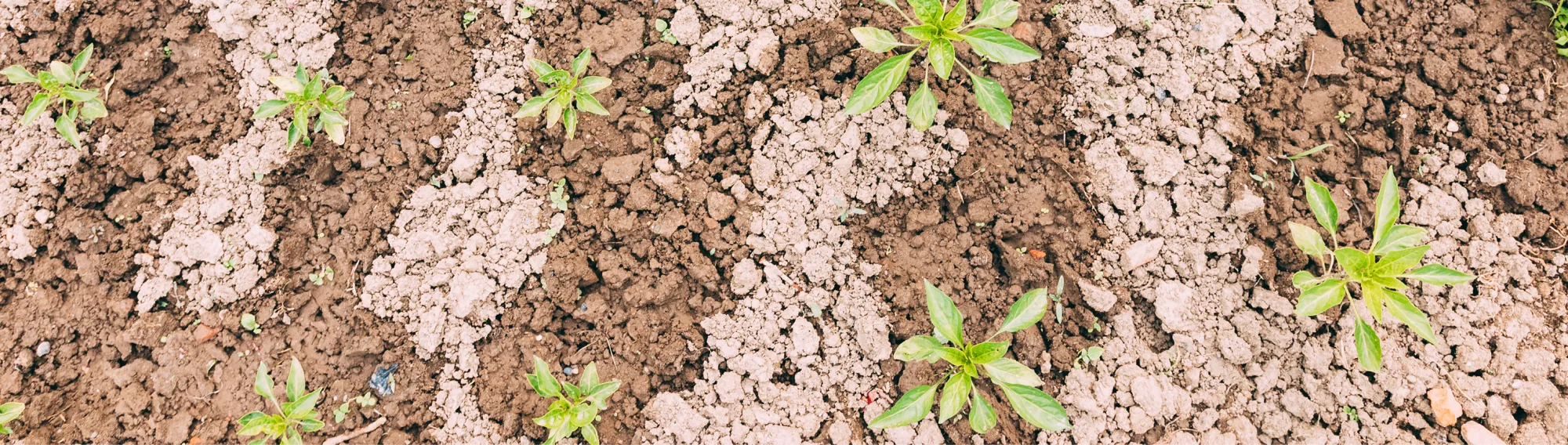
Soils differ in their mechanical composition, which directly affects their ability to absorb and retain water. The most common soil types are:
A common situation in Azerbaijan: the top layer of the site is loamy, while sand or clay lies beneath. Therefore, it is essential to conduct a soil analysis and select the irrigation system based on the results.
Sandy soil allows water to pass through rapidly and does not sufficiently moisten the root zone. Here, the principle of "little and often" should be applied. If irrigation is infrequent but heavy, most of the water will drain into deeper layers, leaving plant roots dry.
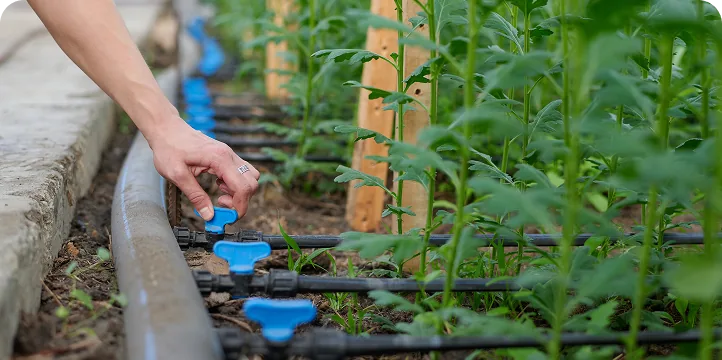
The best solution for sandy soils is a drip irrigation system. When water is supplied in small amounts at frequent intervals, soil moisture in the root zone remains stable, reducing both water loss and nutrient leaching.
The most common mistake: increasing the amount of water per irrigation. This only raises water consumption while the roots remain dry.
Clay soil retains water well but absorbs it poorly. Excessive irrigation leads to puddling on the surface, increasing the risk of root rot and disease.
For such areas, a low-pressure, long-duration irrigation system is recommended. Water should be absorbed slowly, ensuring even soil moisture:
Incorrect approach: "The more water, the better". In reality, this leads to waterlogging, damaging lawns and plant roots.
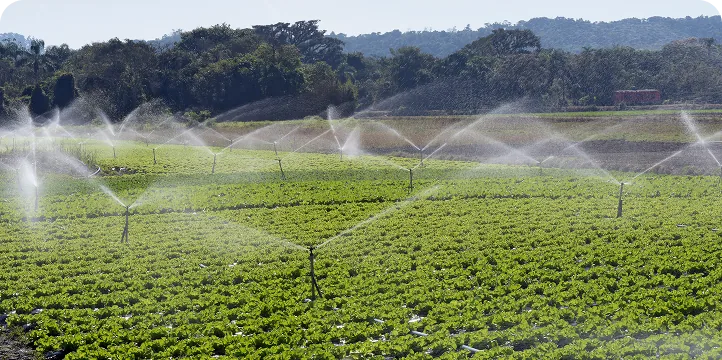
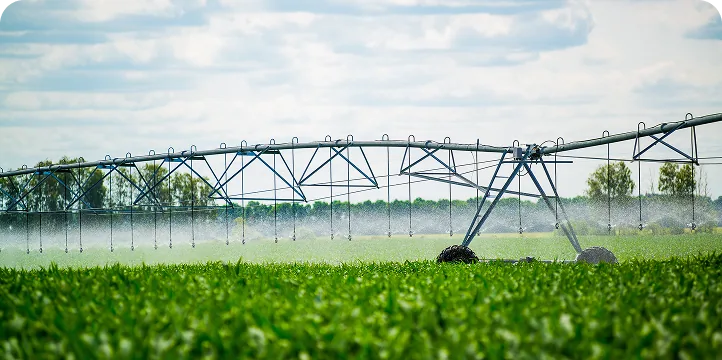
Loamy and silty soils retain water well while also allowing for relatively quick absorption. Almost all modern irrigation systems can be used on these soils, from sprinklers to drip irrigation.
The key point is to calculate irrigation rates and intervals according to plant needs and local climate. For these soils:
Sulama specialists carry out soil analyses and system design with an individual approach, ensuring the optimal irrigation regime is achieved.
One of the most widespread problems is installing a standard irrigation system without soil analysis. As a result, the system may not function properly, and plants may suffer from either drought or excess moisture.
Another common error is improper system installation: incorrect selection of nozzles and drip lines, lack of a rain sensor, or ignoring micro-relief. This increases water consumption and raises maintenance costs.
An irrigation system selected and installed according to soil type is essential for both water efficiency and healthy plant growth. A comprehensive approach delivers the most sustainable results.
It is essential to carry out a soil analysis before designing an irrigation system. Laboratory analysis accurately determines the soil’s mechanical composition, water-holding capacity, and filtration rate.
If your site contains several soil types, divide it into zones and set a separate irrigation regime for each. This approach in Sulama projects typically reduces water consumption by an average of 30%.
Selecting equipment and installing a system without considering soil characteristics leads to poor results. Sulama specialists conduct comprehensive on-site analyses: examining soil composition, topography, planting plans, and other factors, then selecting the most suitable components and calculating the irrigation regime.
We take into account not only the soil type, but also the region’s climate, groundwater depth, and site slope. This approach ensures healthy plant growth, equipment longevity, and water efficiency.
Because different soils absorb and retain water in different ways. A standard approach may cause some zones to dry out while others become waterlogged, and it increases water usage.
Visual inspection and simple tests can help, but for the most accurate results, laboratory analysis is recommended. It is advisable to order this service before designing your irrigation system.
Yes, with the right regime and equipment, water consumption can be reduced by up to 30%, creating optimal conditions for plants. This is especially important for large areas.
Drip irrigation is suitable for most soil types, provided intervals and dosage are correctly set. In mixed soils, drip and sprinkler systems can be combined.
In this case, divide the site into zones and set a different irrigation regime for each. This is the best way to ensure even moisture and water efficiency.